Not every insect in a garden is a pest, and not every damaged leaf needs treatment. The first step is observation. If you identify the pattern of damage, where it appears, and whether the plant is still growing well, you can avoid unnecessary spraying and protect beneficial insects.
Look at the damage pattern
Chewed holes often point to caterpillars, beetles, slugs, or larger pests. Speckled leaves may suggest mites or sucking insects. Distorted new growth can point to aphids, herbicide drift, heat stress, or nutrient issues. Damage on one old leaf is less urgent than damage spreading through new growth.
Inspect at the right time
Some pests feed at night or hide during the day. Check leaf undersides, stems, soil surface, and the newest growth. Use a flashlight in the evening if leaves are being chewed but you cannot find the cause during the day.
Do not remove every insect
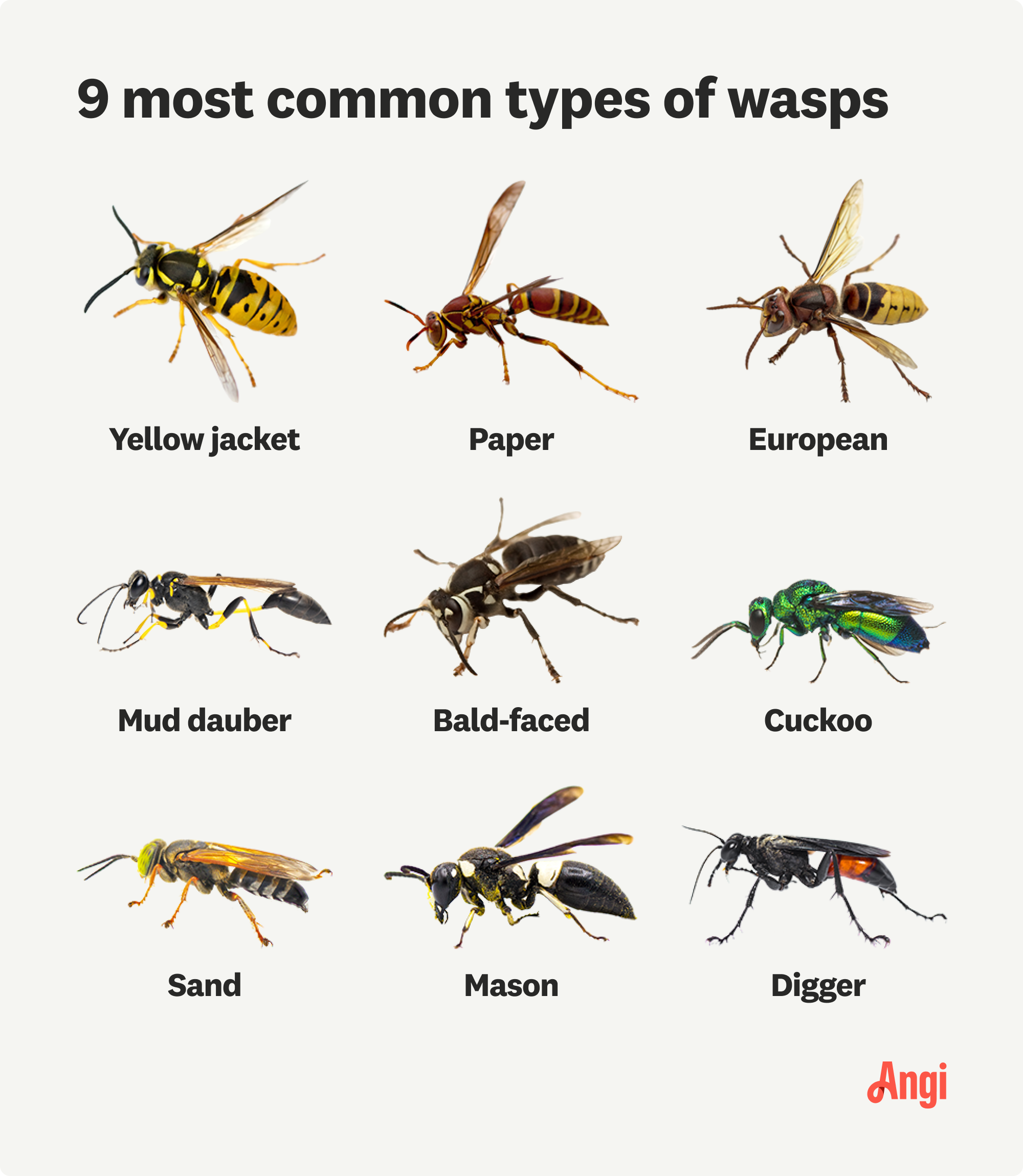
Bees, wasps, hoverflies, lacewings, lady beetles, and many small parasitic insects help a garden. Learning the difference between pest and helper is part of good plant care. These guides on bee identification, wasp identification, and attracting beneficial insects are useful starting points.
When caterpillars are the issue
Caterpillars can be pests or future pollinators depending on the species and the plant. A few holes on a healthy plant may not matter. Severe defoliation on seedlings or edible crops deserves action. The green caterpillar identification guide can help narrow down what you are seeing.
Start with low-impact responses
- Hand-pick visible pests when practical.
- Prune badly infested leaves if the plant can spare them.
- Use water spray for small aphid colonies.
- Improve spacing and airflow to reduce pest-friendly stress.
- Use targeted treatments only after identification.
When to act quickly
Act faster when seedlings are being eaten, pests are spreading from plant to plant, fruit is being damaged, or the plant is already stressed by heat, drought, or disease. Healthy established plants can tolerate some leaf loss; young plants often cannot.
A careful pest response protects the plant and the wider garden. Identification first, treatment second, and prevention always.
Record what you see
A quick record makes pest troubleshooting much easier. Note the plant, the location, the date, the part of the plant affected, and whether damage is spreading. A few phone photos of the leaf top, leaf underside, stem, and whole plant can reveal patterns you might miss in the moment. If you need to compare later, those photos become your baseline.
Separate pest damage from environmental stress
Holes are usually pest or physical damage, but yellowing, curling, and browning can come from heat, drought, herbicide drift, nutrient problems, or roots. Before treating for insects, check whether the plant is underwatered, overwatered, sunburned, or crowded. A stressed plant attracts pests more easily, so fixing the growing condition may be part of pest control.
Beneficial insects and patience
Beneficial insects do not make a garden pest-free. They help keep outbreaks from becoming severe. If you spray broadly at the first sign of trouble, you may remove predators along with pests. When damage is light and the plant is growing well, monitor for a few days before acting. Look for lady beetle larvae, lacewing eggs, hoverfly larvae, parasitized aphids, and wasps visiting flowers.
Physical controls first
Physical controls are often enough for small gardens. Hand-picking caterpillars, pruning a badly infested shoot, using row cover before pests arrive, washing aphids from stems, or removing weeds that host pests can reduce pressure without disrupting the whole garden. These steps are not glamorous, but they are targeted and low risk.
When a treatment is justified
Treatment is more justified when the pest is identified, damage is increasing, the plant is young or valuable, and low-impact methods are not enough. Choose a treatment that matches the pest. A product that works for chewing caterpillars may not work for mites or scale. Always follow the label and avoid treating open flowers when pollinators are active.
Prevention for next season
- Rotate edible crops when possible.
- Remove diseased or heavily infested plant debris.
- Use row cover early for crops with predictable pest pressure.
- Grow flowers that support beneficial insects.
- Keep plants watered and spaced well so stress does not invite problems.
How often to re-check the plant
After you make a pest-control decision, re-check the plant every two or three days for the next week. Look for new damage, fresh eggs, active insects, and whether new growth looks healthier. If the damage has stopped, avoid escalating treatment. If the pest population is still growing, use the notes and photos you collected to choose a more specific response.
This follow-up step matters because many garden problems look dramatic after the pest is already gone. Old holes do not heal, so the best sign of success is clean new growth rather than perfect old leaves.