Soil amendments are not interchangeable. Compost, perlite, vermiculite, mulch, and grit all change soil in different ways. The best choice depends on the problem you are trying to solve: drainage, moisture retention, compaction, fertility, temperature swings, or surface protection.
Compost: organic matter and slow improvement
Compost improves soil structure and supports soil life. In garden beds, it can help sandy soil hold moisture and help heavy soil become easier to work over time. Compost is not a quick fix for every container mix, though. Too much dense compost in a pot can hold more water than roots can use.
Perlite: air and drainage
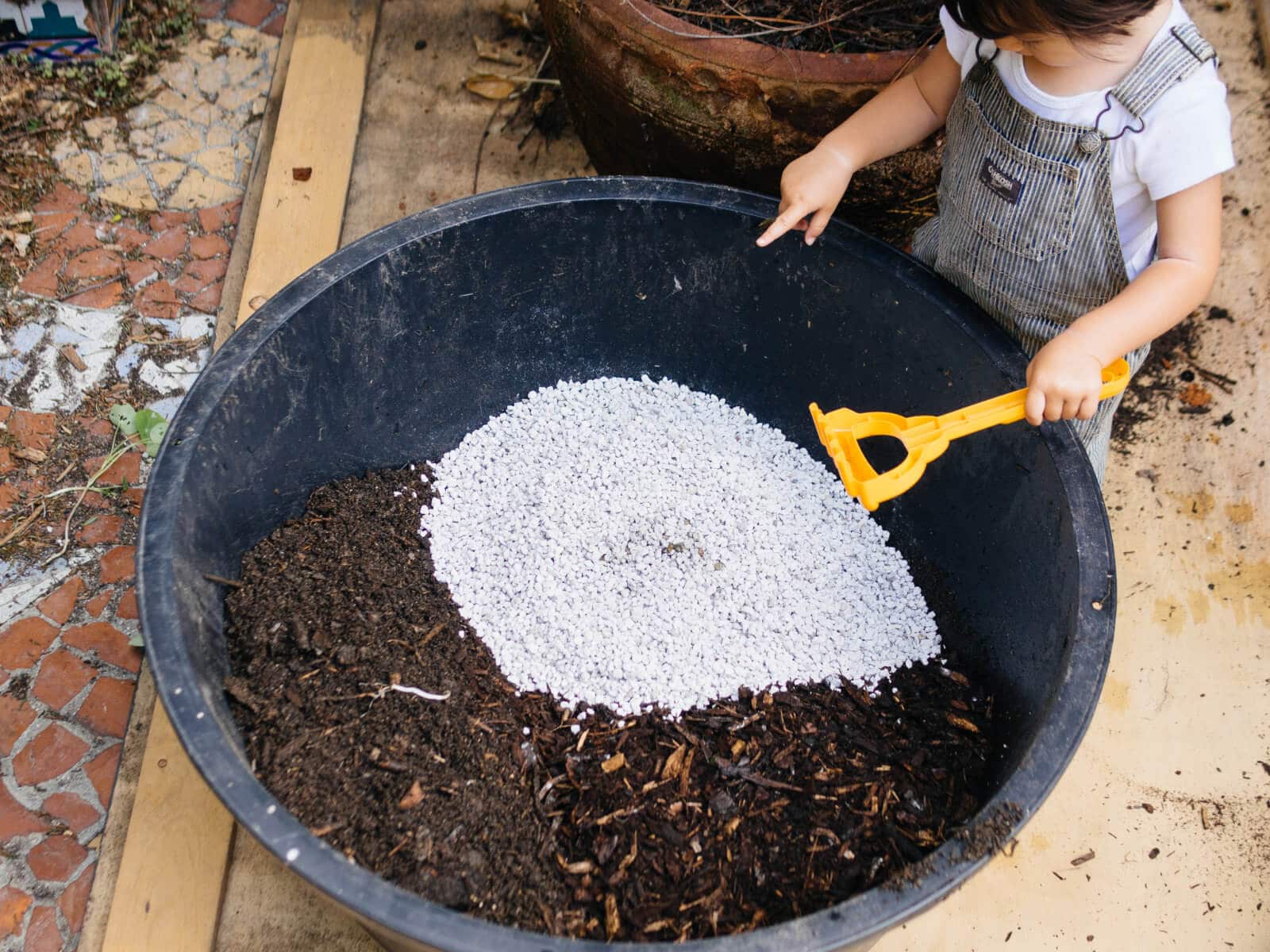
Perlite is lightweight volcanic material used to increase air space in potting mixes. It is especially useful for plants that dislike soggy roots. It does not feed plants, and it does not replace watering judgment. For a deeper look, read the guide on using perlite to improve soil.
Vermiculite: moisture retention
Vermiculite holds more water than perlite. It can be helpful for seed starting or for plants that prefer evenly moist conditions, but it is not ideal for every succulent, cactus, or drought-tolerant plant. Use it when moisture retention is the goal, not when drainage is the problem.
Mulch: surface protection
Mulch protects the soil surface from drying, crusting, and temperature swings. In edible gardens, straw, shredded leaves, composted material, or untreated plant debris can all be useful. Keep mulch slightly away from stems to reduce rot risk and pest hiding places.
Grit and coarse material
Grit, pumice, coarse sand, and similar materials can help with drainage in specialty mixes. The key is particle size. Fine sand can make some mixes denser, not looser. If the goal is airflow, choose coarse particles and test the mix before using it on valuable plants.
How to choose the right amendment
- If soil dries too fast, add organic matter or moisture-retentive ingredients.
- If soil stays wet too long, improve drainage and reduce dense ingredients.
- If seedlings fail, review mix texture and watering before blaming the seed.
- If mold appears, check airflow, moisture, and organic matter. The white mold in soil guide can help you sort harmless growth from a care issue.
A simple rule
Amend for the root environment, not for the label on the bag. Roots need air, water, support, and access to nutrients. A good amendment helps one of those needs without creating a new problem.
Amending garden beds versus containers
Garden beds and containers behave differently. In a bed, roots can explore a larger soil volume and soil biology has more room to work. Compost and mulch can gradually improve structure. In a container, the mix must provide air, drainage, and moisture in a confined space. Dense amendments that work in a bed can make a pot stay wet too long.
How to test a mix before using it
Before filling every container, test a small batch. Moisten it, squeeze it, and watch how it drains. A good general potting mix should hold together lightly when damp but break apart rather than forming a sticky clump. If it sheds water, add moisture-retentive material. If it stays heavy and wet, add air space with perlite, pumice, bark, or another coarse ingredient.
Fertility is separate from texture
Many gardeners confuse fertile soil with good structure. A mix can be nutrient-rich and still suffocate roots if it lacks air. Another mix can drain beautifully but contain little nutrition. Compost, slow-release fertilizer, liquid feeding, and mineral amendments all affect fertility, while perlite, bark, grit, and coarse materials mainly affect structure. Think about both needs.
Mulch choices by situation
In vegetable beds, straw, shredded leaves, compost, and untreated grass clippings can reduce evaporation and protect soil. Around woody plants, wood chips can work well on the surface. In small indoor pots, heavy decorative mulch can hide moisture problems, so use it carefully. Mulch should support care, not make it harder to judge watering.
When not to amend
Do not amend just because a plant looks unhappy. First identify the issue. Yellow leaves may be watering, roots, light, pests, or soil. Adding random ingredients can make the pot heavier, wetter, or more compacted. If a plant is struggling, inspect the root ball and existing mix before changing the recipe.
Practical amendment pairings
- Seed starting: fine, even texture with moisture retention and drainage.
- Succulents: fast drainage and more mineral structure.
- Tomatoes in containers: moisture retention plus enough air to prevent soggy roots.
- Garden beds: compost and mulch over time rather than constant deep disturbance.