A good harvest can feel like a problem if everything ripens at once. Storage choices are easier when you match the crop to the right method: curing, drying, freezing, refrigerating, or using quickly. The goal is to preserve quality without making the process harder than it needs to be.
Tomatoes
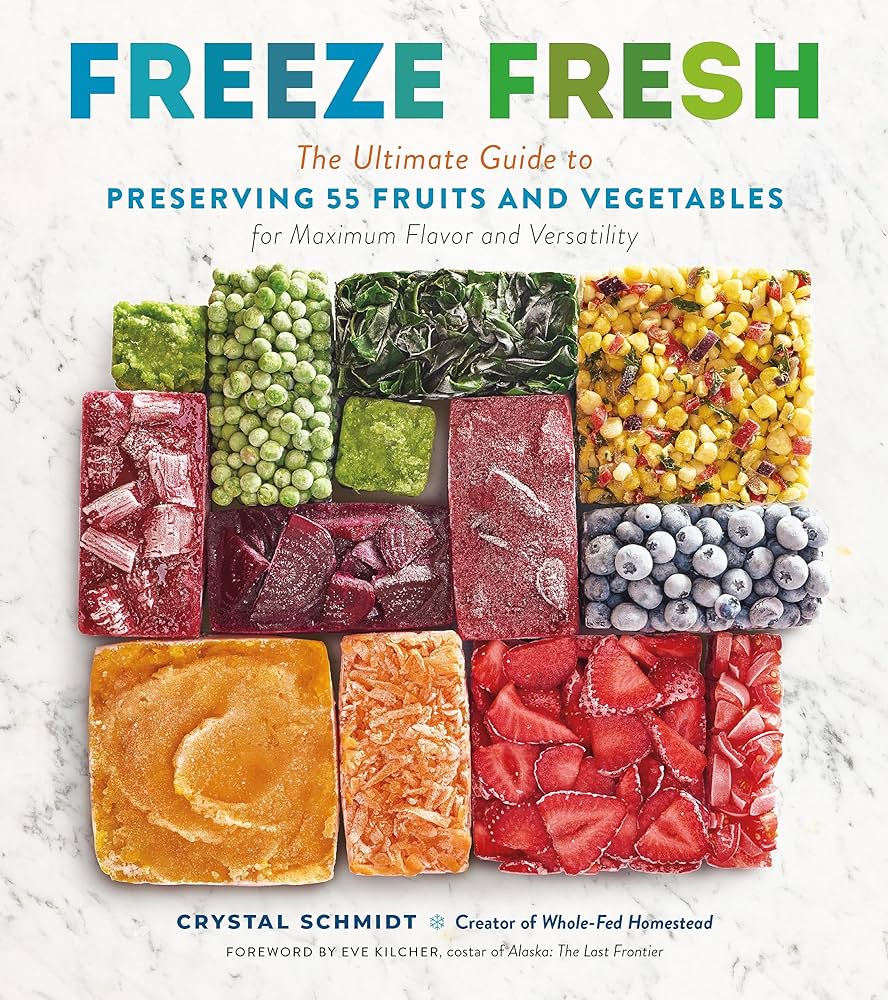
Ripe tomatoes are best used soon, but they can also be frozen for sauces and soups. Wash, dry, core if desired, and freeze on a tray before packing. If you have a large harvest, the guide to freezing fresh tomatoes explains a simple method.
Garlic
Garlic needs curing before long storage. Keep bulbs in a dry, shaded, well-ventilated place until outer skins are papery and necks are dry. Do not seal fresh garlic in plastic. For more detail, read how to cure and store garlic.
Onions
Storage onions also need curing. Let the tops dry, then keep bulbs in a cool, dry, airy place. Thick-necked or damaged onions should be used first. The guide on storing onions for up to a year covers the main checks.
Herbs
Soft herbs such as cilantro and parsley can be chopped and frozen. Woody herbs such as oregano, rosemary, and thyme often dry well. For quick drying, see how to dry oregano and other herbs.
Greens
Leafy greens are usually best eaten fresh. Wash only when needed, or dry thoroughly before storing. For short storage, wrap greens loosely in a towel and keep them cool. If greens are wilting, use them in cooked dishes rather than expecting salad texture.
Simple harvest triage
- Use bruised, split, or damaged produce first.
- Cure crops that need dry skins before storage.
- Freeze crops you will cook later.
- Dry herbs when flavor matters more than fresh texture.
- Label preserved food with date and crop variety.
Harvest storage does not need to be elaborate. A few reliable methods can save the best of the garden and reduce waste during peak season.
Sort the harvest before storing
Storage starts with sorting. Separate perfect produce from bruised, cracked, insect-damaged, or overripe produce. The imperfect batch should be eaten, cooked, frozen, or processed first. Storing damaged produce with clean produce shortens the life of both. A few minutes of sorting can prevent a box of onions, tomatoes, or herbs from declining all at once.
Moisture control
Some crops need moisture to stay crisp, while others need dry air to store well. Greens prefer cool humidity for a short time. Garlic and onions need dry curing before storage. Herbs vary: basil dislikes cold storage, parsley and cilantro can be refrigerated briefly, and oregano can be dried. Matching the crop to the moisture level is more important than using the same container for everything.
Short-term versus long-term storage
Short-term storage is about keeping produce pleasant for the next few days. Long-term storage is about preventing rot, mold, sprouting, or freezer damage. Tomatoes for fresh eating should not be treated the same way as tomatoes for sauce. Garlic for next month should not be handled like garlic for tonight’s dinner.
Labeling matters
Label frozen, dried, and cured harvests with the crop and date. If you grow more than one variety, include the variety name too. This helps you learn which crops store well from your garden. It also prevents mystery bags from collecting in the freezer until they are no longer useful.
What not to store together
Do not store damp greens with dry onions or garlic. Do not seal uncured bulbs in airtight containers. Do not leave split tomatoes in a bowl with perfect fruit. If one crop needs humidity and another needs airflow, give them separate spaces.
A practical weekly harvest rhythm
- Harvest delicate greens and herbs in the cool part of the day.
- Process damaged or overripe produce the same day.
- Set curing crops somewhere shaded, dry, and airy.
- Freeze or dry herbs before they wilt beyond usefulness.
- Check stored crops weekly and remove anything declining.
Use small batches while learning
If you are trying a preservation method for the first time, start with a small batch. Freeze one tray of tomatoes, dry one bundle of oregano, or cure a small group of onions separately. This keeps mistakes inexpensive and helps you learn how your own kitchen, humidity, freezer, and storage space affect quality.
Once a method works well, repeat it with larger harvests. The strongest storage routine is the one you will actually use during a busy garden week.