Starting seeds indoors gives gardeners more control over timing, variety, and plant health. It is also one of the easiest places to make small mistakes that follow a plant for the rest of the season: weak light, soggy mix, crowded trays, and rushed transplanting all show up later as leggy seedlings or stalled growth.
Quick answer
Use a clean seed-starting mix, containers with drainage, strong light placed close to the seedlings, and gentle bottom watering when possible. Start seeds only as early as your climate and space allow, then harden seedlings off gradually before transplanting them outside.
What you need before sowing
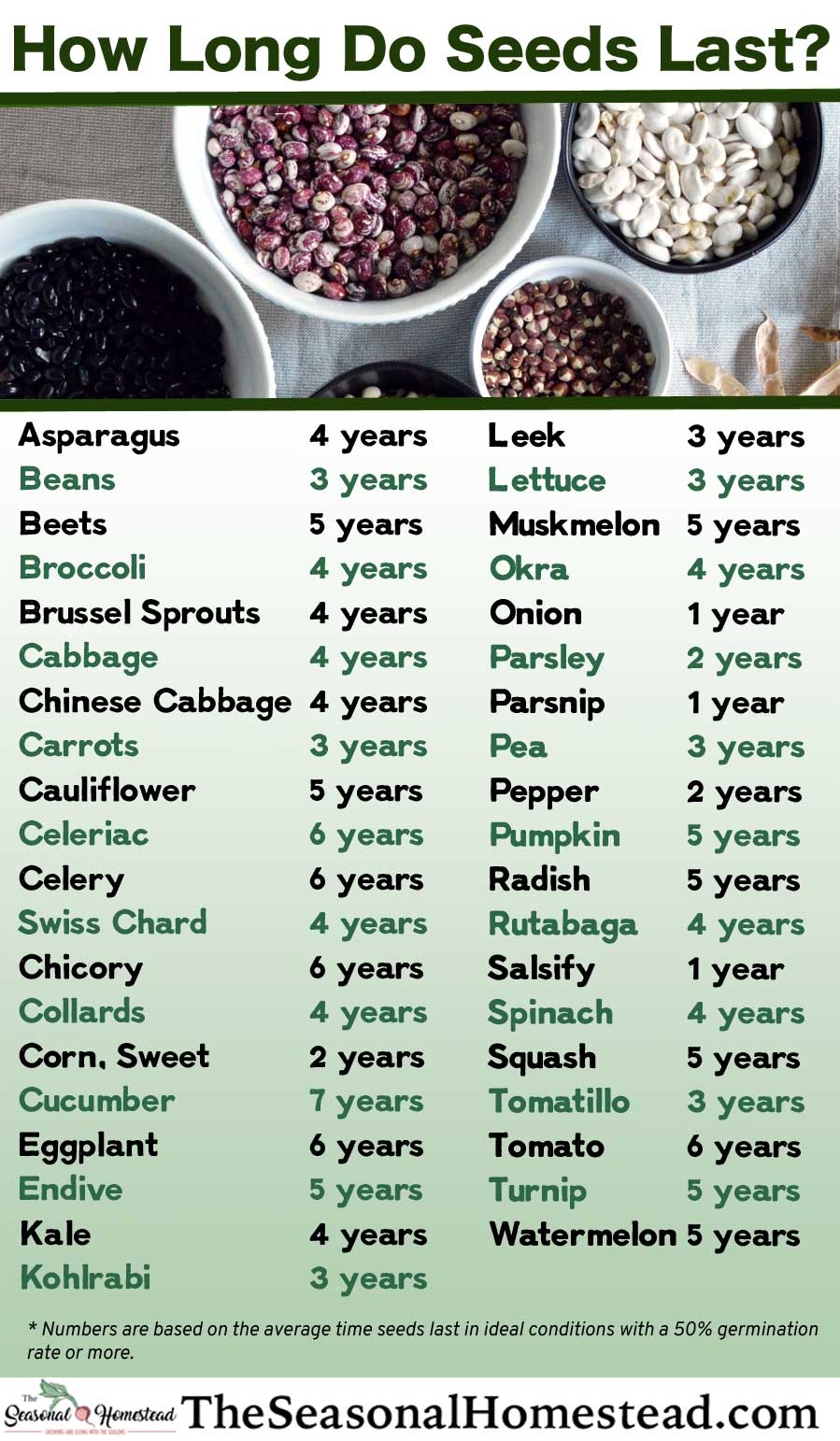
- Fresh or tested seeds. If you are unsure, use a simple viability check before filling trays. See the seed viability chart for shelf-life clues.
- A light seed-starting mix. A homemade or bagged mix should hold moisture without staying muddy. The seed starting mix guide explains the basic ingredients.
- Containers with drainage. Cell trays, soil blocks, small pots, or recycled containers can work if excess water can escape.
- A bright light source. A sunny window is often weaker than it looks, especially in winter. Seedlings usually grow sturdier under a simple grow light kept close to the leaves.
When to start seeds indoors
Work backward from your likely transplant date, not from the date on a seed packet alone. Fast crops can become root-bound if started too early, while peppers, onions, and some herbs may need a longer indoor period. A good habit is to group seeds by timing: early, mid-season, and direct-sow. This keeps trays manageable and avoids a windowsill full of plants that are ready before the garden is ready.
How to sow for stronger seedlings
Moisten the mix before filling trays so water is distributed evenly. Fill cells gently, firm the surface, and sow at the depth listed on the packet. Tiny seeds often need only surface contact or a dusting of mix, while larger seeds can be covered more deeply. Label every tray immediately. Many seedlings look alike when they first emerge.
Light and watering routine
Once seeds germinate, remove humidity domes and move the light close enough that seedlings do not stretch. Water when the top of the mix begins to lighten, not on a strict calendar. Bottom watering helps roots grow downward and reduces splash on stems, but trays should never sit in standing water for long periods.
Hardening off before transplanting
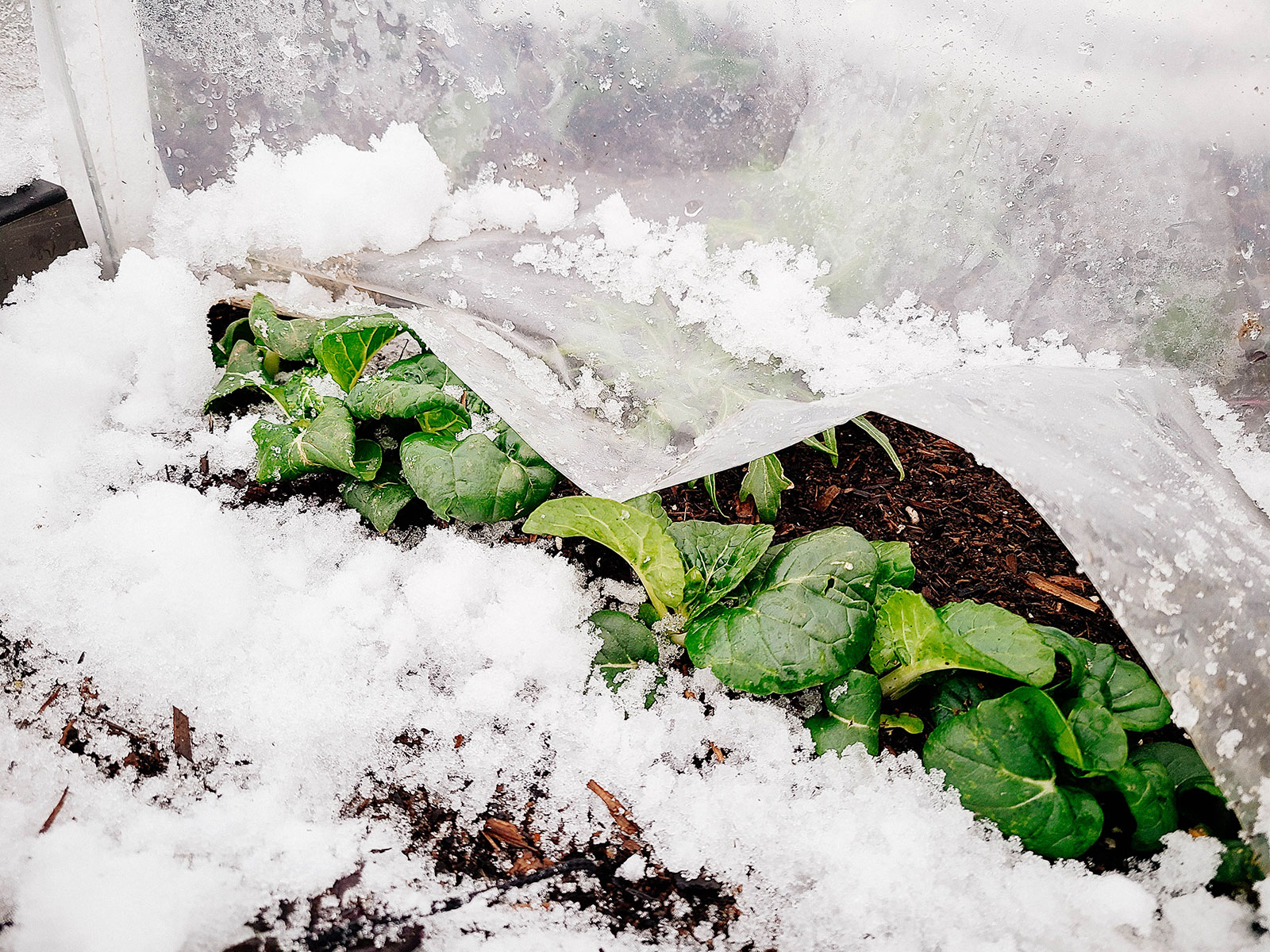
Indoor seedlings need time to adjust to sun, wind, and outdoor temperature swings. Start with a protected hour or two outside, then increase exposure over a week. If leaves bleach, wilt badly, or temperatures drop sharply, slow down. Transplant on an overcast day or in the evening when possible, and water the root zone well.
Common mistakes to avoid
- Starting too many seeds too early.
- Using garden soil indoors, which can compact and bring pests inside.
- Keeping a humidity dome on after germination.
- Watering every day without checking the mix.
- Moving seedlings into full sun without hardening them off.
A simple seed-starting system is better than a complicated one. Clean containers, good light, careful watering, and patient transplanting solve most beginner problems before they start.
How to adapt the schedule to your own climate
The most reliable seed-starting schedule begins with your real transplant window. Cool-season crops can move outside earlier than tomatoes, peppers, basil, and other warm-season plants. If your spring weather swings from warm afternoons to cold nights, hold tender seedlings indoors a little longer and focus on hardening them off slowly. A plant that is slightly younger but never shocked often catches up to a larger plant that sat in cold soil for two weeks.
Use the seed packet as a starting point, then adjust for your space. If you have strong lights and room to pot seedlings up, you can start some crops earlier. If you only have a small shelf or windowsill, stagger sowing dates so plants are not crowded. Crowding reduces airflow and makes watering harder to judge.
What healthy seedlings should look like
Healthy seedlings are compact, upright, and colored normally for their variety. Stems should not be stretched, pale, or leaning hard toward a window. Leaves should expand gradually rather than remaining tiny for weeks. Slow growth is not always a failure; cool rooms and low light often slow seedlings without killing them. The important thing is steady progress.
Troubleshooting common seed-starting problems
- Leggy seedlings: move lights closer, increase light duration, and avoid starting too early.
- Damping off: improve airflow, avoid soggy mix, and remove humidity covers after germination.
- Poor germination: check seed age, soil temperature, sowing depth, and moisture consistency.
- Yellow seedlings: review watering first, then consider whether seedlings have outgrown the starter mix.
When to pot up
Pot up when roots hold the mix together and the plant is actively growing, not just because a calendar says so. Tomatoes often benefit from being moved into a deeper container. Many herbs and flowers prefer less root disturbance. If roots circle heavily, growth may stall after transplanting, so check trays before plants become crowded.
Final checklist before transplanting
Before seedlings go into the garden, confirm that nights are safe for the crop, the plants have been exposed gradually to outdoor light and wind, the planting area is watered, and labels are still readable. Water seedlings before transplanting so root balls hold together. After planting, keep the first week gentle: consistent moisture, protection from extreme weather, and no unnecessary fertilizer shock.